
ChatGPT Ads: What They Mean for Digital Marketing and Why It Matters
Search Post
Categories
Leatest Post
Categories
Share Post
ChatGPT Ads: What They Mean for Digital Marketing and Why It Matters
OpenAI Is Bringing Ads to ChatGPT
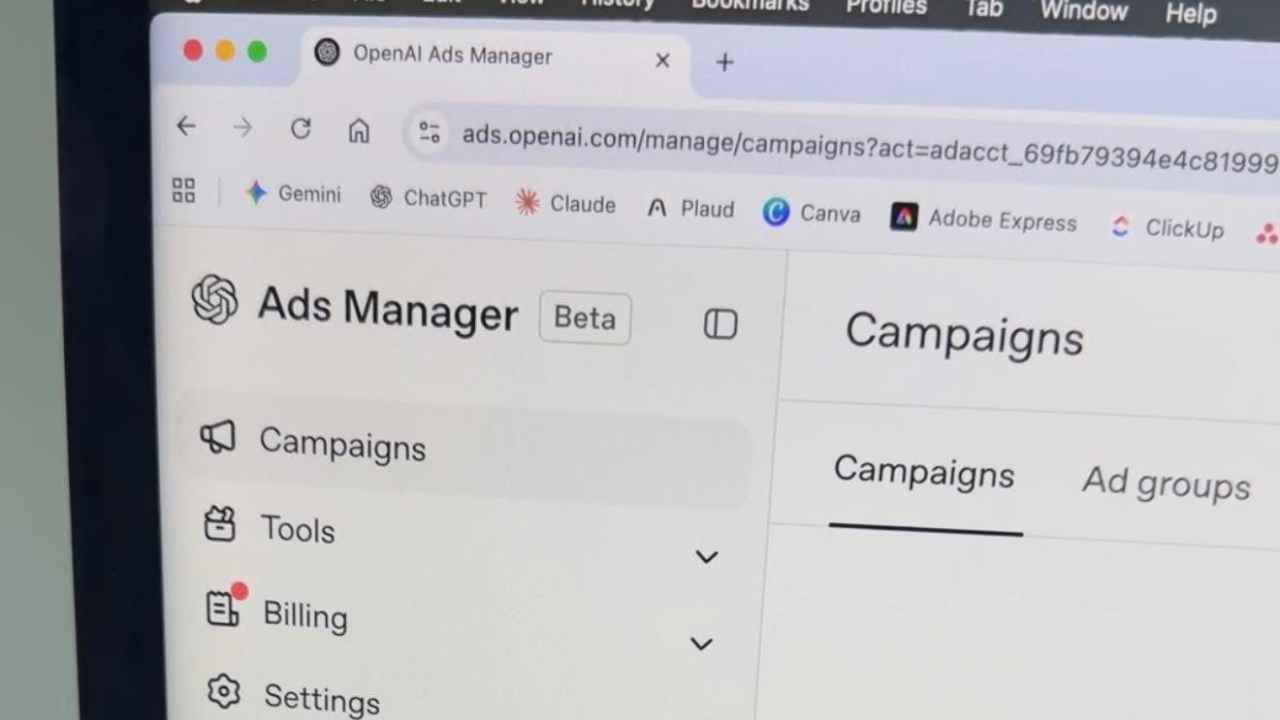
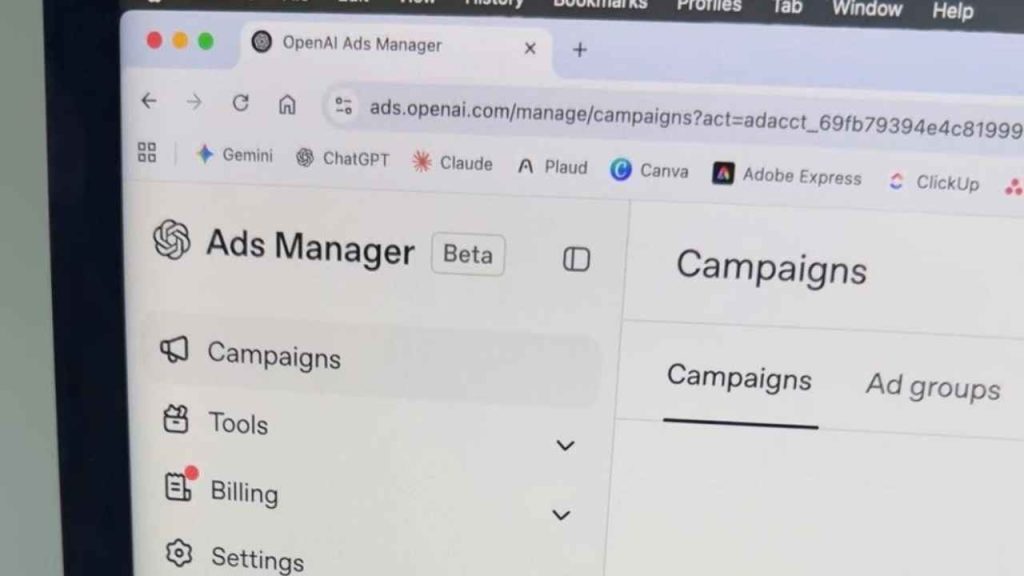
It’s been speculated about for a while, and now it’s official — OpenAI has started testing ads inside ChatGPT. It’s hard to overstate how significant this is. We haven’t seen a shift quite like this since Google Search ads and social media took over digital marketing.
For marketers, this is a brand new channel. For users, it’s a new reality where ads will start appearing inside AI conversations.
One thing worth clarifying upfront: ads do not influence ChatGPT’s responses. OpenAI is clear about this — the ad system runs separately from the AI model. Advertisers cannot change or influence the content of any answer. Everything sponsored is clearly labeled.
What Does It Actually Look Like?
Google works on keywords. You type something, you get results. ChatGPT is different — it’s a conversation.
Ads appear as clearly labeled, sponsored elements within that conversation. OpenAI describes them as relevant suggestions that show up naturally when a user is researching or comparing options.
A simple example: a user asks for a CRM tool recommendation. ChatGPT might surface a relevant sponsored suggestion — but as a separate element, not as part of the actual answer.
Do Ads Affect ChatGPT’s Responses?
No.
OpenAI explicitly states this. The AI response and the ad run on separate systems. An ad appearing doesn’t mean OpenAI is endorsing that product. This matters because neutrality is one of the main reasons people trust and use ChatGPT in the first place.
How Is This Different From Google Ads?
The key difference is context. Google Ads follow a single search query. ChatGPT Ads follow an entire conversation.
That means the system can track user intent across multiple messages — even when the user didn’t start with a purchase in mind. They ask one question, then another, compare a few options… and by that point, their intent becomes obvious. Some analysts call this “conversational intent” or “intent drift.”
Who Can See Ads Right Now?
Based on available information, ads are currently shown to Free and Go plan users. Plus, Pro, Team, Enterprise, and Education users won’t see them for now.
OpenAI has started with pilot programs in select countries, with a gradual rollout expected throughout 2026.
What Does This Mean for SEO?
More and more users are researching products through AI, comparing options through conversation, and making decisions without ever opening Google. SEO is no longer just a fight for the first page of search results.
Brands will need to think about:
- visibility in AI-generated responses
- presence in the sources AI pulls from
- brand authority and content quality that AI can actually reference
Optimizing for AI is slowly becoming just as important as traditional SEO.
What Does This Mean for Advertisers?
Users in ChatGPT aren’t browsing casually. They’re actively comparing, researching, and looking for recommendations. They’re deep in the decision-making process.
That creates a high-intent environment — one that could drive better quality conversions than many traditional channels. Early data suggests strong engagement rates in certain campaigns, though it’s still too early for definitive conclusions.
Will ChatGPT Threaten Google?
Probably not immediately. But for the first time in a very long time, a serious competitor to Google’s advertising model has emerged.
Google built its empire on keywords. OpenAI is building something new — an ad marketplace based on understanding intent through conversation. The next few years could see one of the most important battles in digital marketing play out between these two approaches.
Final Thoughts
Ads in ChatGPT aren’t just a new feature. They’re the beginning of conversational advertising.
Key things to remember:
- ads don’t influence ChatGPT’s responses
- they’re clearly labeled as sponsored content
- they’re based on conversational context, not just keywords
- currently targeted at Free and Go plan users
- they open up a completely new channel for digital campaigns
For marketers, this isn’t just another ad format. It’s a new way of thinking about where and how to reach users — right at the moment when it’s most relevant to them.
Sources: OpenAI Help Center and OpenAI Ads documentation.
Leave a Reply
You must be logged in to post a comment.
