
SEO Best Practices for Better Website Visibility
Search Post
Categories
Leatest Post
Categories
Share Post
SEO Best Practices for Better Website Visibility
In today’s digital world, having a website is just the starting point. If your ideal customers can’t easily find you on Google, you could be missing out on valuable leads every single day. That’s where search engine optimization, or SEO, comes in.
SEO helps your website show up when people search for the services you offer. For service-based businesses like roofing contractors, electricians, plumbers, HVAC companies, and other home service providers, it can be one of the most effective long-term marketing investments. Unlike paid ads, SEO doesn’t stop working the moment you pause your budget. It can keep bringing in qualified traffic over time.
At its core, SEO is about one thing: helping the right people find your business at the right moment.
What Is SEO?
SEO is the process of improving your website so search engines can better understand, rank, and show your content in relevant search results. When done well, SEO helps your business appear for the searches that matter most.
For a roofing company, that might mean showing up for searches like:
- roof replacement near me
- emergency roof repair
- residential roofing contractor
- metal roof installation
- storm damage roof repair
- best roofing company in [city]
These searches often come from people who already have a problem and are actively looking for a solution. That makes SEO traffic especially valuable.
Why Visibility Matters
Most people don’t scroll through page after page of search results. They usually click one of the first few results they see. If your business isn’t showing up there, chances are your competitors are getting the calls, traffic, and leads instead.
Better website visibility can help you:
- generate more organic traffic
- attract higher-intent leads
- reduce reliance on paid ads
- build trust with potential customers
- improve local search presence
- strengthen your brand authority
- support long-term growth
SEO isn’t just about ranking higher. It’s about building a stronger digital presence that makes your business easier to find, easier to trust, and easier to choose.
1. Start With Keyword Research
Keyword research is the foundation of any strong SEO strategy. It helps you understand what your potential customers are searching for and how they describe their problems.
A common mistake is going after broad, generic terms that don’t reflect real intent. For example, a roofing company shouldn’t only focus on “roofing.” It should also target more specific searches such as:
- roof replacement cost
- roof repair after storm
- asphalt shingle roof installation
- flat roof repair
- licensed roofing contractor near me
- roofing company in [city]
These long-tail keywords may not have the highest search volume, but they often bring in better-qualified visitors because the intent is much clearer.
A strong SEO strategy usually includes a mix of:
- service keywords
- location-based keywords
- problem-based keywords
- comparison keywords
- educational keywords
- commercial-intent keywords
The better you understand search intent, the easier it becomes to create content that actually matches what people need.
2. Optimize Every Important Page
Every important page on your website should have a clear purpose. Your homepage, service pages, location pages, and blog articles should all be optimized around specific topics and keywords.
For each key page, focus on:
- the page title
- meta description
- H1 heading
- subheadings
- URL structure
- image alt text
- internal links
- call-to-action sections
- main body content
For example, instead of a generic page title like “Services,” a roofing company could use something like:
Residential Roof Replacement Services in Austin, TX
That’s clearer for both users and search engines.
The same idea applies to headings and copy. Each page should make it obvious what the service is, who it’s for, where it’s available, and why someone should choose your business.
3. Create Helpful, High-Quality Content
Search engines reward websites that offer useful, relevant, and trustworthy content. That means your content should answer real questions, solve real problems, and help people make better decisions.
Good SEO content isn’t written only for algorithms. It’s written for people.
Helpful content ideas include:
- how to know when your roof needs replacement
- how much a roof replacement costs
- what to do after storm damage
- how long different roofing materials last
- how to choose a roofing contractor
- signs of hidden roof leaks
- insurance claim basics for roof damage
Educational content can help your business show up earlier in the buying journey. Not every visitor is ready to call right away, but useful content builds trust and keeps your brand in mind until they are.
The best content is specific, practical, and tied to your actual services.
4. Improve Local SEO
For local service businesses, local SEO is essential. A lot of customers search for services near them, and Google often shows local results before traditional organic listings.
To improve your local visibility, make sure your Google Business Profile is complete and up to date.
It should include:
- accurate business name
- correct address or service area
- phone number
- business hours
- website link
- service categories
- service descriptions
- photos
- reviews
- regular updates
Consistency matters too. Your business name, address, and phone number should match across your website, directories, social profiles, and other online listings.
Reviews also play a big role. Honest, positive reviews help build trust and can influence whether someone reaches out to your business.
5. Build Strong Service Pages
A lot of businesses rely too much on their homepage. But if you offer multiple services, each major service should have its own dedicated page.
For example, a roofing company could create separate pages for:
- roof replacement
- roof repair
- storm damage repair
- metal roofing
- asphalt shingle roofing
- flat roofing
- roof inspections
- emergency roof repair
Each page should be unique and detailed. Avoid copying the same text and simply changing the city or service name. Search engines can detect thin or duplicated content, and users can usually tell when a page feels generic.
A strong service page should include:
- a clear explanation of the service
- common customer problems
- signs the service may be needed
- benefits of choosing your company
- service area information
- frequently asked questions
- trust signals
- testimonials or project examples
- a strong call to action
Service pages are often some of the most valuable pages for lead generation.
6. Use Internal Linking Strategically
Internal links help users and search engines move through your site. They show how your pages connect and help distribute authority across important content.
For example, a blog post about “signs you need a new roof” should link to your roof replacement page. A post about storm damage should point to your emergency roof repair or insurance claim support page.
Good internal links should feel natural and useful. Don’t overdo it. Use them to guide people toward the next logical step.
Internal linking can help:
- improve crawlability
- strengthen important service pages
- reduce bounce rate
- increase time on site
- guide users toward conversion
Every important page should be easy to reach from your homepage, navigation, footer, or related content.
7. Improve Website Speed and User Experience
SEO is not only about content. Technical performance matters too. If your website is slow, confusing, or hard to use, visitors may leave before they ever contact you.
A good website should load quickly, work well on mobile devices, and make it easy for people to take action.
Key user experience factors include:
- fast page loading
- mobile-friendly design
- clear navigation
- readable text
- visible phone number
- simple contact forms
- strong calls to action
- trust signals near conversion points
- clear service and location information
This is especially important for service businesses, because many people search from their phones. If someone needs urgent roof repair, they should be able to call or request an estimate in just a few seconds.
8. Optimize for Conversions, Not Just Traffic
Higher rankings are great, but traffic alone doesn’t grow a business. The real goal is to turn visitors into leads, appointments, consultations, or customers.
That means every important page should include clear conversion points.
For example:
- “Request a Free Estimate” buttons
- click-to-call phone numbers
- short contact forms
- appointment booking links
- quote request forms
- financing or inspection CTAs
- trust badges
- testimonials
- before-and-after project images
Your website should answer the visitor’s biggest questions and then make the next step obvious.
If SEO is bringing traffic but your website isn’t converting, the problem may be the website itself, not the SEO.
9. Strengthen Trust Signals
Trust is a huge factor in whether someone decides to contact your business. That’s especially true in industries where customers are making bigger decisions, like roofing, remodeling, or home repair.
Strong trust signals include:
- customer reviews
- testimonials
- project photos
- licenses and certifications
- insurance information
- warranties
- years of experience
- local service area proof
- case studies
- media mentions
- professional associations
Your website should make it easy for people to feel confident that your business is credible, experienced, and reliable.
Instead of just saying you’re the best, show why people can trust you.
10. Keep Content Fresh
SEO is not a one-and-done task. Your website should be updated regularly to stay relevant and competitive.
Fresh content can include:
- new blog articles
- updated service pages
- new project examples
- seasonal content
- updated FAQs
- new reviews
- updated location pages
- improved internal links
- refreshed images and testimonials
For roofing companies, seasonal content can be especially useful. Topics around storm season, winter roof damage, hail damage, roof inspections, and home maintenance often attract timely search traffic.
Regular updates show both search engines and users that your website is active and current.
11. Track the Right Metrics
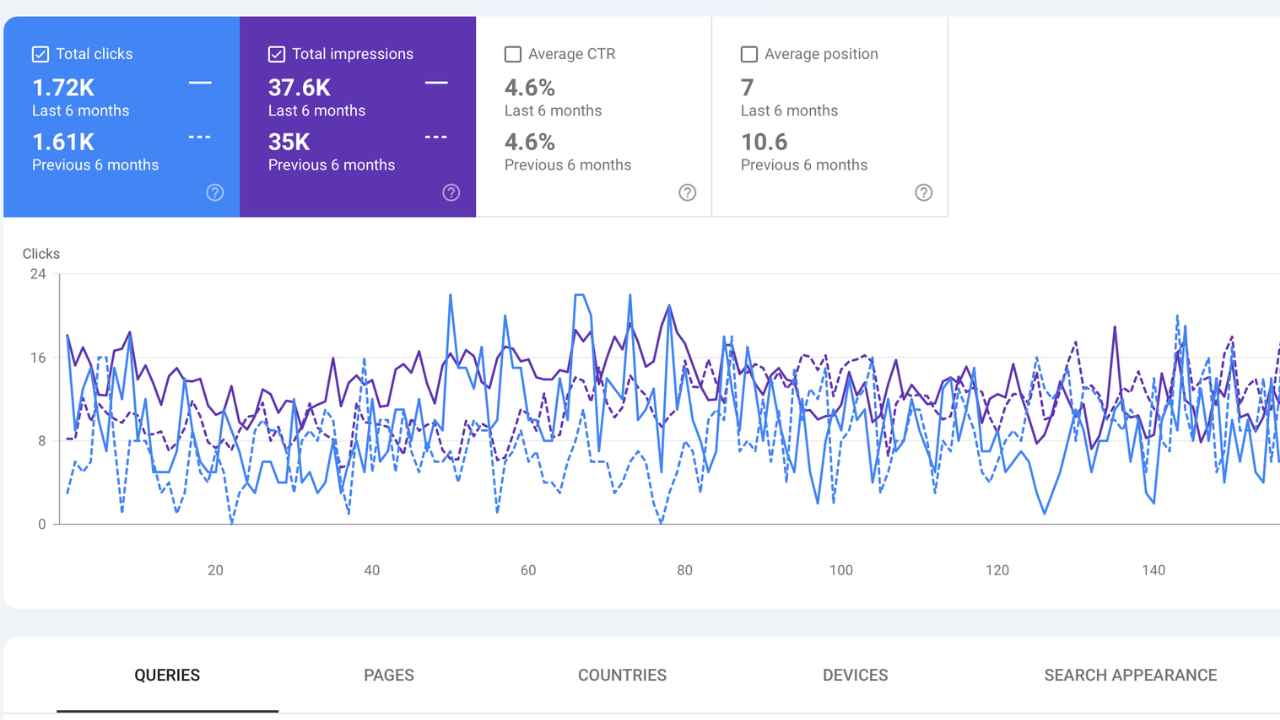
SEO performance should be measured with the right data. Looking at rankings alone can be misleading. A keyword position is useful, but it doesn’t tell the full story.
Important metrics include:
- organic traffic
- search impressions
- click-through rate
- keyword rankings
- phone calls
- form submissions
- booked appointments
- conversion rate
- cost per lead compared to paid channels
- local map visibility
- revenue influenced by organic traffic
Tools like Google Analytics, Google Search Console, call tracking software, and your CRM can help you see what’s actually working.
The best SEO strategy connects visibility with real business results.
12. Avoid Common SEO Mistakes
A lot of businesses struggle with SEO because they focus on shortcuts instead of building a solid foundation.
Common mistakes include:
- publishing thin or generic content
- copying content from competitors
- ignoring local SEO
- using the same title tags on multiple pages
- targeting the wrong keywords
- neglecting mobile experience
- failing to track conversions
- having unclear calls to action
- building low-quality backlinks
- expecting instant results
SEO takes time, but the results can be powerful when the strategy is consistent, focused, and tied to business goals.
Final Thoughts
Improving website visibility isn’t about chasing tricks or gaming the system. It’s about building a website that clearly communicates your value, answers customer questions, earns trust, and makes it easy for the right people to reach out.
For local service businesses, SEO can become a real long-term growth engine. It helps you show up when people are actively searching, supports your paid campaigns, strengthens your brand, and reduces your dependence on short-term lead sources.
The strongest SEO strategies combine technical optimization, helpful content, local visibility, strong service pages, trust signals, and clear conversion paths.
When all of those pieces work together, your website becomes much more than an online brochure. It becomes a real business asset.
Need Better Visibility for Your Roofing Business?
Nomen Digital helps roofing contractors build stronger digital marketing infrastructure, improve search visibility, track leads more accurately, and turn online traffic into real business opportunities.
If you want to improve your website visibility and generate more qualified roofing leads, contact Nomen Digital to talk through your growth strategy.
Leave a Reply
You must be logged in to post a comment.
